
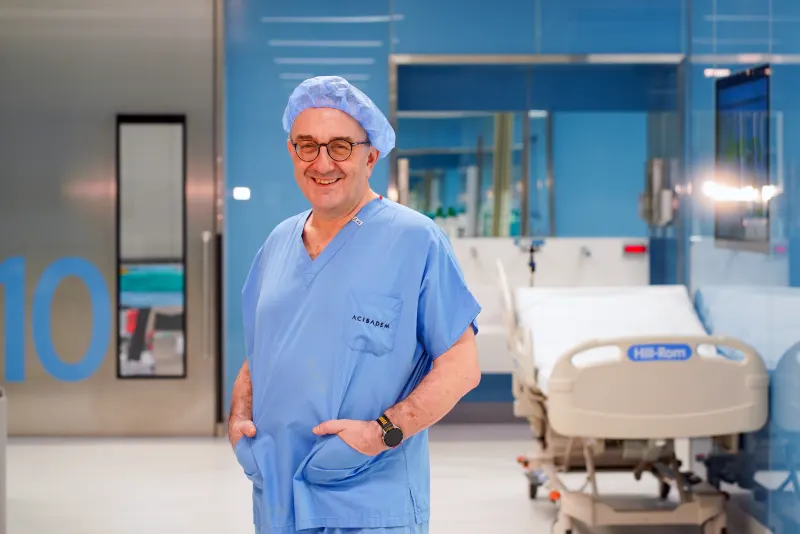
Surgery Journey
Does surgery begin when the patient is placed on the operating table and end when the operation is over?
In fact, no.
A patient's surgical journey is a much larger process, running from the preparation beforehand, through the management during the operation, to the recovery afterwards. Perioperative medicine focuses on that process as a whole: preparing the patient as well as possible, keeping them safe during the operation, and preventing as far as possible the problems that can follow.
This section is organised on the same logic. Not by type of operation, but along the patient's own timeline, in three stages.
Before surgery covers why you must fast, why the medication you take matters, and how smoking and alcohol affect the process.
Anesthesia by procedure covers six surgical fields: childbirth and caesarean section, cardiac surgery, thoracic surgery, paediatric surgery, bariatric surgery and older patients. In each, I explain why the anesthetic management differs.
After surgery covers common experiences such as nausea, shivering and headache, along with the intensive care process.
Start from whichever stage you are in.
- 1Before Surgery
Preparation before surgery is the stage where anesthetic safety and the speed of recovery are largely determined.
- 2Anesthesia by Procedure
Not every operation calls for the same anesthetic. Why the management differs across six surgical fields.
- 3After Surgery
The period after surgery is where recovery is consolidated; comfort, pain management and early movement shape this stage.
Explore the site
- AboutSpecialist in Anesthesiology and Intensive Care. My work centres on thoracic surgery anesthesia, one-lung ventilation and postoperative pain management.
- Anesthesia GuideWhat anesthesia is, which types exist and why one is chosen over another — in plain language, step by step.
- Surgery JourneySurgery does not begin on the table and end when the operation is over. The whole process, from preparation to recovery.
- Scientific NotesNotes, videos and publication announcements on current developments in anesthesiology and perioperative medicine.
- Contact